
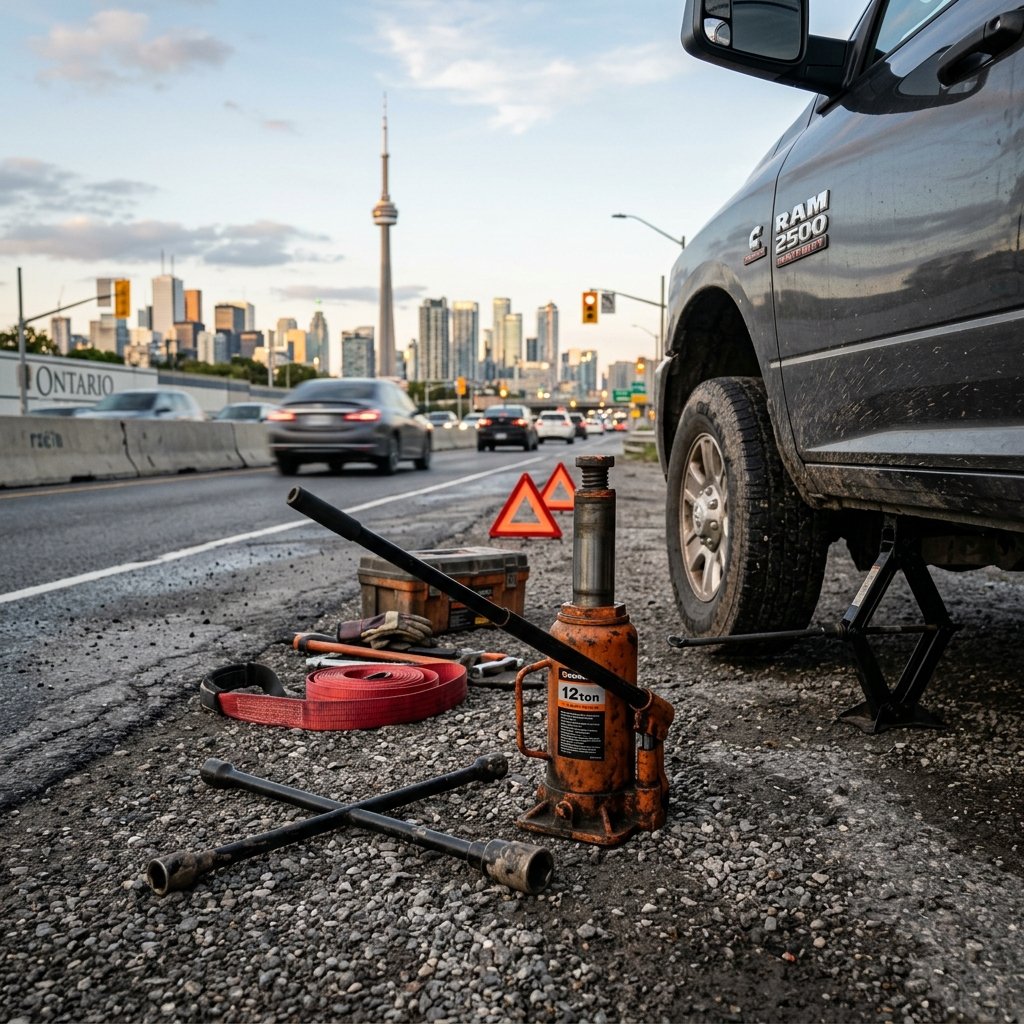
If you have ever called an auto salvage yard for a quote, waited a few weeks, and called back only to receive a completely different offer, you might have wondered if the pricing is arbitrary. In reality, the auto recycling industry is closely connected to global commodity trading. The cash payouts offered by local Ontario auto wreckers are directly tied to the price of raw steel, iron ore, and precious metals on global financial markets. Understanding these economics helps you time the market and secure the highest payout.
The Commodity Connection: Shredded Auto Scrap (HMS 1 & 2)
When an end-of-life vehicle is stripped of its fluids, tires, and usable mechanical parts, the remaining steel chassis is placed inside an industrial vehicle crusher. These crushed cars are then shipped to large-scale industrial shredders, where they are reduced to fist-sized chunks of steel and iron. This shredded material is graded as **Heavy Melting Steel (HMS 1 & 2)**, which is the primary raw material used by steel mills to manufacture new structural steel, pipelines, and automotive body panels.
Because HMS is a traded commodity, its price is determined by global supply and demand. Auto recycling yards monitor metal indexes such as the **London Metal Exchange (LME)** and US domestic steel scrap indexes. When global steel prices rise, local wreckers receive higher payouts from shredders, allowing them to pay more cash to vehicle owners in Toronto, Hamilton, Mississauga, and beyond.
Key Global Drivers of Local Scrap Car Payouts
Several macroeconomic factors have a direct impact on the cash quotes you receive from local Ontario salvagers:
1. Global Construction and Infrastructure Activity
Steel is the foundation of modern infrastructure. When large-scale construction activity increases in major industrial economies, global demand for steel rises, driving up the value of recycled auto scrap. Conversely, during economic slowdowns or housing market declines, steel mills reduce production, causing local scrap payouts to drop.
2. Energy Costs and Smelting Efficiency
Manufacturing new steel from recycled scrap steel (using electric arc furnaces) consumes **74% less energy** than smelting virgin iron ore in traditional coal-fired blast furnaces. Because of this, when global energy and coal prices rise, steel mills shift their production toward recycled auto scrap to save on energy costs, driving up demand and raising scrap car prices in Ontario.
3. Shipping and Logistics Costs
Recycled steel is shipped globally. If international shipping container rates rise or local trucking fuel prices increase, the cost of transporting crushed cars to shredders and steel mills goes up. These increased logistics costs are factored into salvage yard operations, which can slightly reduce localized cash offers.
Seasonal Variations in Ontario Scrap Pricing
Along with global market trends, scrap car pricing experiences predictable seasonal fluctuations in Ontario:
- Spring & Summer (High Activity): Warmer weather makes towing, dismantling, and shipping logistics highly efficient. Steel mills operate at peak capacity, leading to strong, stable scrap car payouts.
- Winter (Low Activity): Severe winter weather, snowstorms, and freezing temperatures make vehicle retrieval and towing challenging. Shipping lanes can close and yard operations slow down. Wreckers must factor in increased operational safety costs, which can lead to slightly lower quotes during winter months. Learn how to prepare your driveway in our ultimate scrap car preparation checklist.
How to Lock in Your Payout
Because metal prices are highly volatile, a quote you receive today may not be valid next week. To protect yourself from market drops:
- Ask for a Guaranteed Quote: Ensure your buyer guarantees their quote for at least 7 days, which protects you if metal commodity prices drop in the interim. Direct buyers like City Scrap Car Removal always honor their quotes.
- Avoid Middlemen Brokers: Brokers take a cut of the metal value, reducing your payout. Deal directly with licensed salvagers who own their towing fleets and operate under strict environment and transportation laws, as detailed in our MTO legal guide.
Conclusion
Local scrap car payouts are directly tied to the global circular metal economy, fluctuating based on international steel demand, smelting energy costs, and seasonal logistics. By understanding these commodity connections, you can secure the highest cash value for your vehicle. Ready to check current scrap prices for your junk vehicle? Visit our Ontario Service Areas Directory to contact our local GTA appraiser and secure a guaranteed high-value quote today!